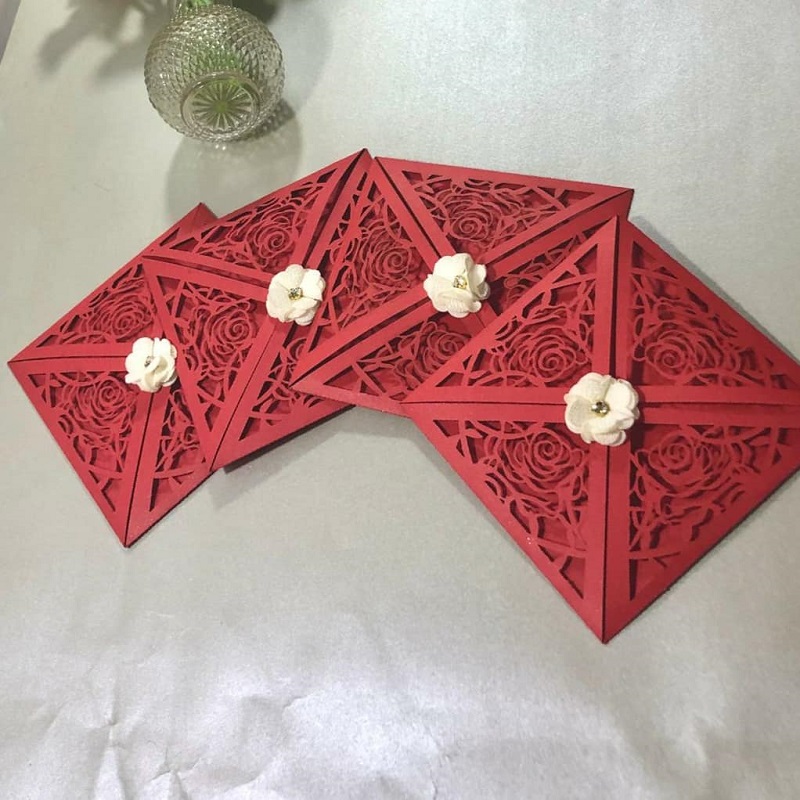
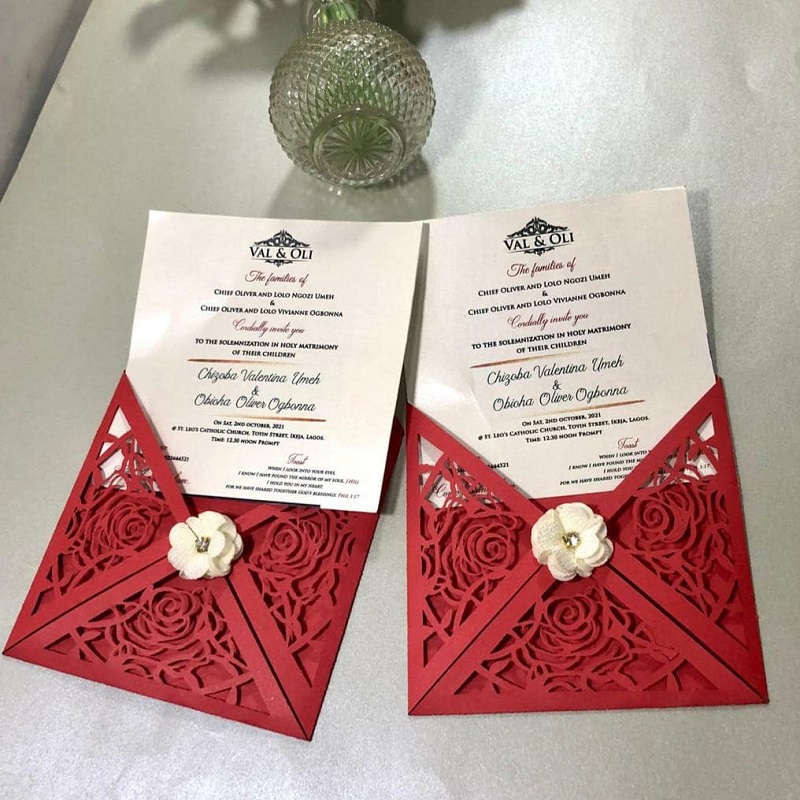
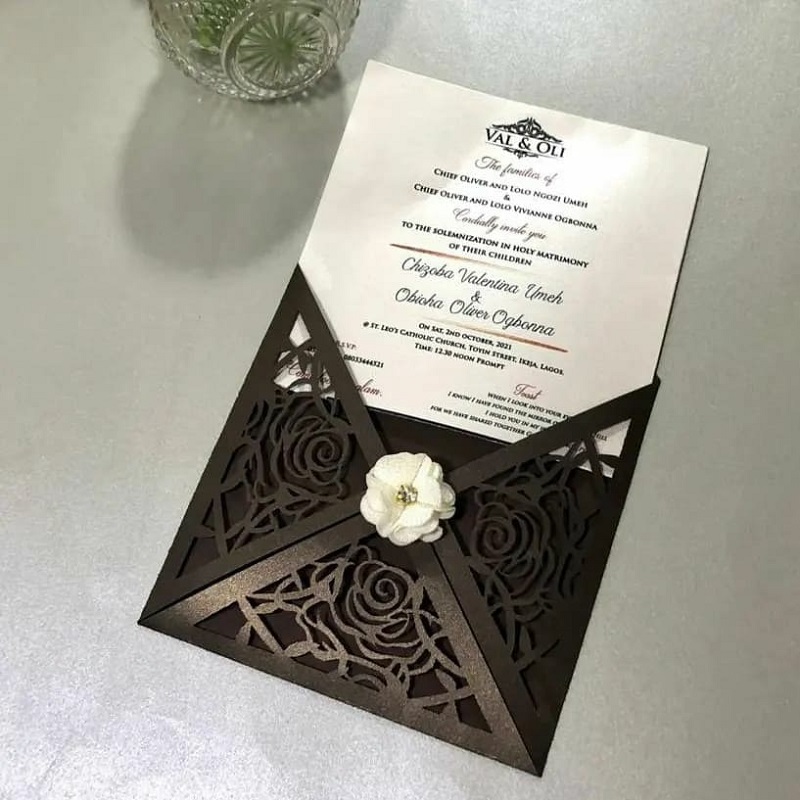
Seven Steps, before print production
1. Choose the Right Paper and Finish:
Select paper weight and finish (matte, gloss, uncoated) suitable for your design and intended use.
2. Work in CMYK Color Mode:
Design in CMYK for accurate color output, as printers use this mode.
3. Set Up Bleeds and Safe Zones:
Include a bleed area (usually 0.125"/3mm) to avoid unwanted white edges.
Keep important content within safe margins (away from trim lines).
4. Proofread and Double-Check:
Review text, images, and alignment for errors.
Print a proof copy or get a digital proof from your printer.
5. Export Correct File Formats:
Export as print-ready PDF with crop marks and embedded fonts/images.
6. Communicate with Your Printer:
Confirm specifications, file requirements, and timelines before starting the print run.
7. Test Before Full Production:
Print a small batch or single proof to check quality and appearance.
Implementing these practices ensures your graphic designs look sharp on screen and in print, reflecting a polished, professional image.
Our Graphic design team will handle your file professionally for a sutnning output that beats imaginations. Contact us today!
Necessary ideas for a right paper quality
Choosing the right paper for printing is essential to achieve the desired quality and impact of your printed materials. Here are some key factors to consider when selecting paper:
1. Paper Type
- Coated Paper: This type has a smooth finish, making it ideal for high-quality images and vibrant colors. It's commonly used for brochures and magazines.
- Uncoated Paper: It has a more textured surface, providing a natural feel. It's great for text-heavy documents and is often used for letterheads and envelopes.
- Recycled Paper: An environmentally-friendly choice, recycled paper is available in both coated and uncoated varieties and is suitable for all types of printing.
2. Finish
- Glossy: Reflective finish that enhances color vibrancy; good for photos and promotional materials.
- Matte: Non-reflective surface that offers a sophisticated look; ideal for professional documents and elegant designs.
- Silk: A middle ground between glossy and matte, providing a smooth feel with some sheen.
3. Brightness and Whiteness
- Brightness refers to how much light the paper reflects, affecting how colors appear. Higher brightness levels make colors more vivid.
- Whiteness is the paper’s color and can influence color reproduction; opt for bright white for clear and vibrant prints.
4. Finish Specifics
- Smooth Finish: Best for detailed images and text clarity.
- Textured Finish: Adds character and is often used for invitations or artistic prints.
5. Compatibility with Printers
- Ensure the paper you choose is compatible with your printer type—inkjet, laser, or offset—as different printers may require specific types of paper.
6. Purpose of the Print
- Consider the purpose of your printed material:
- Marketing Materials: Glossy or silk-coated paper can enhance color and catch attention.
- Official Documents: Uncoated, heavier paper gives a professional touch.
- Art Prints: High-quality art paper can showcase artwork beautifully.
7. Cost and Quantity
- Depending on your budget and the number of prints needed, balance quality and cost. Bulk purchasing can help reduce expenses.
8. Environmental Considerations
- Look for papers certified by organizations like the Forest Stewardship Council (FSC) or those labeled as recycled if sustainability is a priority for you.
Conclusion
Choosing the right paper is crucial for the success of your printing project. By considering these factors, you can select paper that meets your needs and enhances the overall
presentation of your printed materials. Always consider requesting samples to test before making a bulk purchase.
Paper Weight and Thickness
- Paper weight is measured in grams per square meter (gsm) or pounds (lb). Heavier paper is generally thicker and more durable.
- Common weights include:
| 35gsm - 55gsm |
Very thin, typically what newspapers are made from. |
| 70gsm - 90gsm |
Typical weight of office printer paper. |
| 100gsm - 140gsm |
A heavier paper that can withstand a little more wear and tear. |
| 150gsm - 200gsm |
In this range is heavier papers and lightweight cardstock. Flyers and posters are usually made within this GSM. |
| 200gsm - 230gsm |
A thinner card perfect, for layering, die cutting and crafts. |
| 240gsm - 290gsm |
The perfect weight for handmade cards – card within this range still has a bit of bend to it. They can also make good wedding invites. |
| 300gsm - 350gsm |
A heavier cardstock, card in this range has a higher quality feel to it and is often used for business cards. This range is also suitable for wedding invitations and handmade cards. |
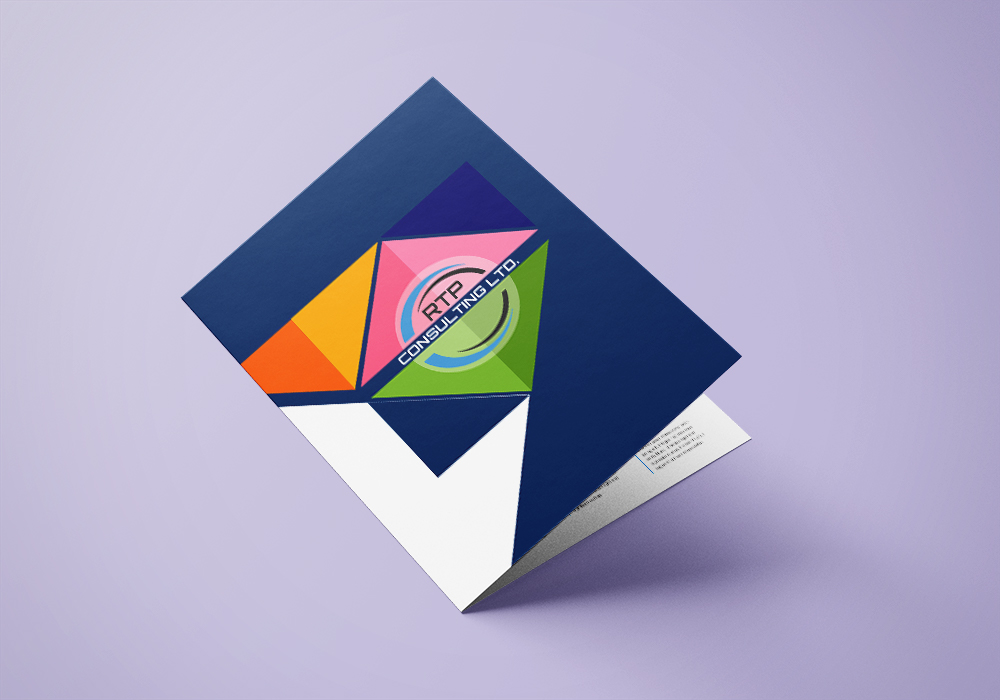
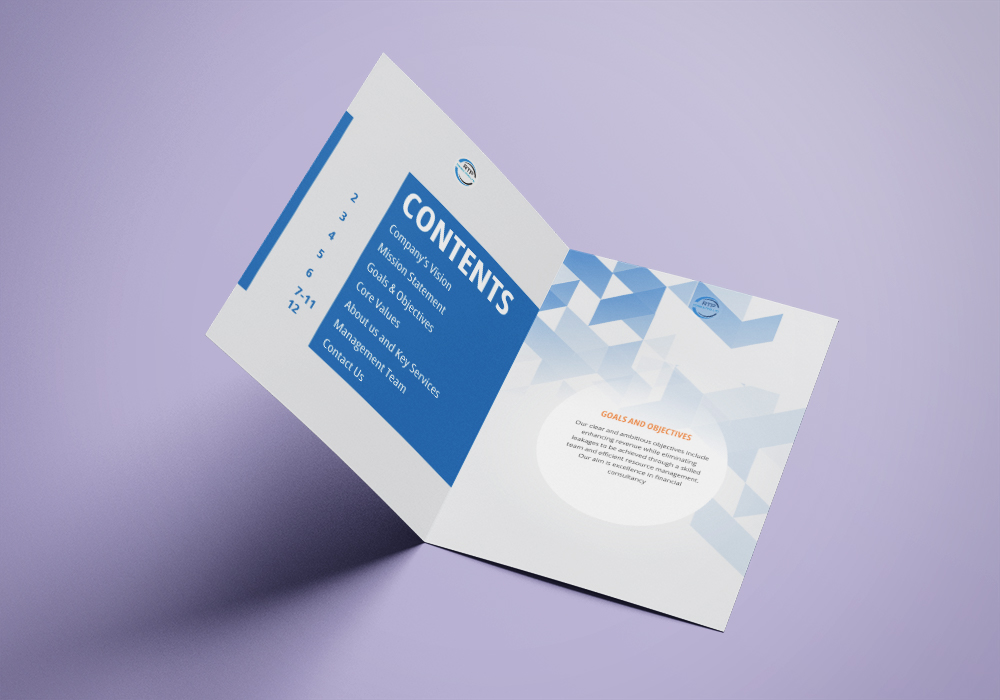
Brochure is a tangible tool for marketing
A printed brochure plays a crucial role in marketing by serving as a tangible tool that effectively communicates essential information about a business, product, or service. The primary functions of printed brochures include the following:
1. Information Dissemination: Brochures provide detailed information on offerings, including features, benefits, pricing, and comparisons, thereby enabling informed decisions.
2. Brand Representation: A well-designed brochure reflects the brand's identity and values, utilizing consistent branding elements to reinforce recognition.
3. Visual Engagement: The incorporation of appealing graphics and layouts attracts the target audience and aids in understanding complex information.
4. Lead Generation: Brochures often feature calls to action (CTAs) that encourage potential customers to engage further, such as contacting the business or visiting a website.
5. Tangible Resource: As a physical item, brochures create a lasting impression and enhance memorability compared to digital media.
6. Targeted Distribution: Brochures can be distributed strategically in locations frequented by the target audience, maximizing outreach efforts.
7. Cost-Effectiveness: They offer a budget-friendly marketing solution, especially when printed in bulk.
8. Accessibility: Brochures can be easily disseminated in various settings, ensuring potential customers have access to information anytime.
9. Establishment of Trust: A professionally designed brochure conveys credibility and showcases the business’s commitment to quality.
In conclusion, printed brochures are vital marketing tools that provide information, enhance brand visibility, and generate leads in a cost-effective and accessible manner.
Contact us today!